Industrial Electrical Maintenance: Keeping Australian Businesses Safe, Efficient and Productive
In today’s fast-paced industrial environment, unexpected electrical failures can lead to costly downtime, production delays and safety risks. That's why Industrial electrical maintenance is essential for businesses operating in manufacturing plants, warehouses, logistics centres, food processing facilities and other industrial sites across Australia.
A proactive maintenance program helps businesses improve equipment reliability, reduce operating costs and maintain compliance with Australian electrical safety standards. Whether you manage a single production line or a large industrial facility, investing in professional electrical maintenance is one of the smartest decisions you can make.
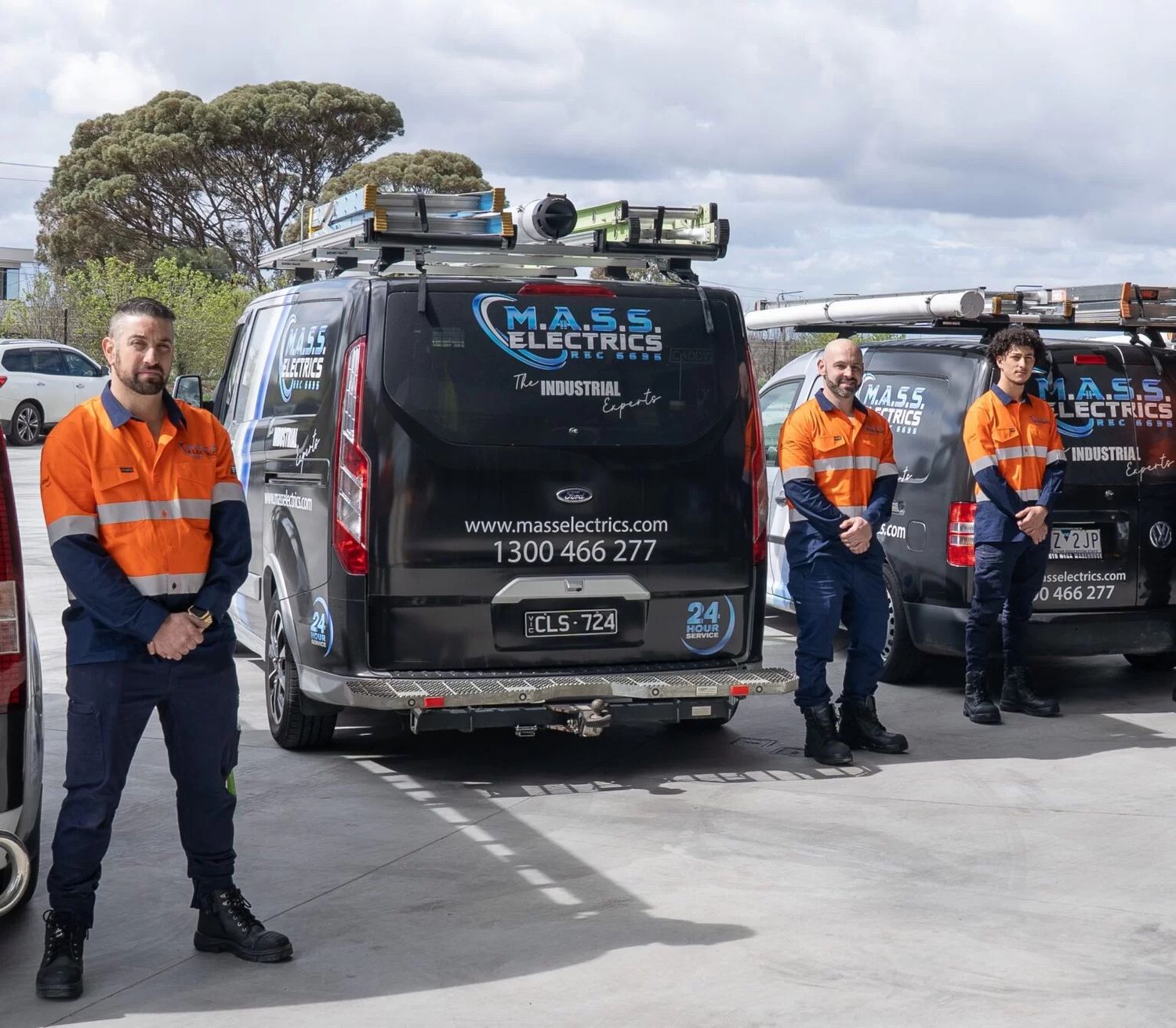
According to M.A.S.S. Electrics, planned maintenance significantly reduces unexpected breakdowns while improving operational efficiency through regular inspections, fault detection and preventative servicing.
What Is Industrial Electrical Maintenance?
Industrial electrical maintenance involves the regular inspection, testing, servicing and repair of electrical infrastructure used within industrial environments. Unlike reactive repairs that only occur after equipment fails, preventative maintenance identifies potential issues before they become expensive problems.
A comprehensive maintenance program typically includes:
- Routine electrical inspections
- Switchboard servicing
- Thermal imaging inspections
- Machinery testing
- Electrical safety audits
- Fault finding and diagnostics
- Emergency breakdown support
- Preventative equipment servicing
- Compliance testing
- Electrical system upgrades
Regular maintenance ensures electrical systems continue operating safely and efficiently while extending the lifespan of valuable equipment.
Why Industrial Electrical Maintenance Matters
Industrial operations depend heavily on reliable electrical infrastructure. Even a minor electrical fault can halt production, damage machinery and impact business profitability.
Reduce Unplanned Downtime
Unexpected electrical failures often result in expensive production interruptions. Scheduled maintenance identifies worn components, overheating equipment and developing faults before they cause complete system failures.
Preventative servicing helps businesses:
- Keep production running smoothly
- Avoid costly emergency repairs
- Increase equipment reliability
- Improve operational efficiency
Improve Workplace Safety
Industrial electrical systems operate under demanding conditions and often carry high electrical loads. Regular inspections help identify hazards such as:
- Loose electrical connections
- Overloaded circuits
- Damaged cables
- Failing switchboards
- Overheating components
Early detection reduces the risk of electrical fires, equipment damage and workplace incidents.
Maintain Compliance
Australian workplaces must comply with strict electrical safety regulations. Regular maintenance assists businesses in meeting applicable Australian Standards by ensuring electrical installations remain safe, properly tested and correctly documented.
Key Components of Industrial Electrical Maintenance
Preventative Maintenance
Preventative maintenance follows a scheduled service plan designed to reduce equipment failures before they occur.
Typical activities include:
Visual inspections
Electrical testing
Cleaning switchboards
Tightening electrical connections
Equipment calibration
Load testing
This approach helps maximise equipment performance while reducing maintenance costs.
Predictive Maintenance
Modern industrial facilities increasingly use predictive maintenance techniques to identify issues before equipment fails.
These may include:
- Thermal imaging
- Power quality analysis
- Condition monitoring
- Infrared inspections
Thermographic inspections can detect overheating electrical components that are invisible during standard visual inspections, allowing repairs before major failures occur.
Reactive Maintenance
Although preventative maintenance reduces breakdowns, emergency repairs remain necessary when unexpected faults occur.
A qualified industrial electrical contractor can quickly diagnose and restore power to minimise operational disruption.
Common Equipment Requiring Maintenance
Industrial facilities contain numerous electrical systems that require ongoing servicing, including:
- Main switchboards
- Distribution boards
- Motor control centres (MCCs)
- PLC control systems
- Industrial machinery
- Conveyor systems
- Emergency lighting
- Variable speed drives
- Power distribution equipment
- Control cabinets
Routine servicing ensures these critical systems continue operating safely and reliably.
Benefits of a Planned Maintenance Program
Businesses that invest in structured Industrial electrical maintenance enjoy numerous long-term advantages.
Lower Operating Costs
Preventative maintenance reduces:
- Emergency repair expenses
- Equipment replacement costs
- Production downtime
- Energy wastage
Conclusion
Industrial electrical maintenance is far more than routine servicing it's a strategic investment in business continuity, workplace safety and long-term operational efficiency. A proactive maintenance program helps prevent costly downtime, extends equipment life and supports compliance with Australian regulations.
Whether your facility operates around the clock or during standard business hours, regular inspections and preventative maintenance provide peace of mind while keeping critical electrical systems performing at their best. By partnering with experienced industrial electricians, Australian businesses can reduce risk, improve productivity and maintain reliable operations for years to come.